Trikāya Institute of Tibetan Studies
International Center for Himalayan Traditions | Europe
Advancing the study of Himalayan wisdom traditions and literary heritage.
Comprehensive Tibetan Language Services, Education, & Buddhist Scholarship
སྐུ་གསུམ།
TRIKĀYA INSTITUTE OF TIBETAN STUDIES
A Standard of Excellence for Tibetan-English Transmission and Preservation.
Serving Buddhist organizations, academic institutions, students & practitioners worldwide since 2008.
Textual Translation • Oral Interpretation • Language Instruction • Scholarly Consultation
The Trikāya Translation Committee:
Committee Specializations
Expertise Across Buddhist Traditions, Languages,
Cultures & Academic Disciplines
The Trikāya Translation Committee's members provide specialized expertise in multiple areas of Buddhist studies, Asian languages, and academic research.
The Trikāya Translation Committee brings together diverse expertise from multiple Buddhist lineages, linguistic traditions, and academic disciplines. Our members provide specialized consultation across a wide range of languages, philosophical systems, and textual traditions, ensuring that translation projects benefit from authentic tradition-specific knowledge and scholarly rigor.
The Trikāya Translation Committee brings together diverse expertise spanning the vast landscape of Buddhist literature—from ancient canonical texts to contemporary writings.
In particular, our members provide specialized consultation across multiple genres and traditions of Tibetan literature: including canonical scriptures (sūtras and tantras), philosophical treatises, meditation manuals, ritual liturgies, biographical works, historical chronicles, poetic compositions, medical treatises, and modern literary works.
Whether your project involves esoteric Vajrayāna practice texts, classical Mahāyāna philosophy, devotional prayers, or contemporary novels and essays, our committee offers the tradition-specific knowledge and relevant linguistic expertise needed for accurate, culturally authentic translation.


Translation Specializations
Our committee members provide expert consultation across diverse genres of Buddhist and Tibetan literature:
Liturgical & Ritual Texts
-
Sadhanas and tantric practice manuals
-
Prayer cycles and devotional literature
-
Monastic ceremony texts and liturgies
Scholarly & Academic Works
-
Philosophical treatises and commentaries
-
Research papers and dissertations
-
Critical editions and scholarly annotations
Literary & Historical Works
-
Biographical literature (namthar)
-
Historical chronicles and annals
-
Poetry, epistolary works, and prose literature
Specialized Domains
-
Tibetan medical texts (sowa rigpa)
-
Grammatical and linguistic treatises
-
Contemporary Tibetan novels and essays
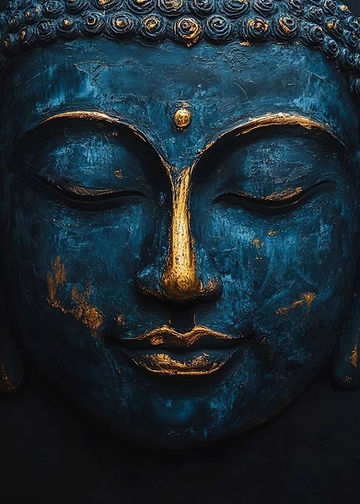

Areas of Expertise

Buddhist Traditions:
Tibetan Buddhism
-
Nyingma
-
Kagyü (Karma, Drikung, Drukpa, Shangpa)
-
Sakya
-
Gelug
-
Jonang
-
Bön

Buddhist Philosophy
-
Madhyamaka and Yogācāra
-
Abhidharma and Buddhist psychology
-
Tathāgatagarbha and Buddha-nature
-
Tantric and Vajrayāna systems

East Asian Buddhism
-
Zen (Chinese, Korean, Vietnamese, Japanese)
-
Pure Land (Chinese, Japanese)
-
Japanese Tendai
-
Japanese Shingon
-
Nichiren Shū

Theravāda Buddhism
-
Sri Lankan Theravāda
-
Thai Theravāda
-
Burmese Theravāda
-
Esoteric Theravāda

Buddhist Textual Studies
-
Sūtra translation and commentary
-
Tantra and ritual texts
-
Commentarial and exegetical works
-
Contemporary Tibetan literature

Tibetan Cultural Studies
-
Tibetan history and civilization
-
Himalayan cultural traditions
-
Tibetan art and iconography
-
Religious institutions and practices

Linguistics & Translation
-
Comparative Asian linguistics
-
Translation theory and methodology
-
Terminology standardization
-
Classical language grammar

Cultural & Historical Studies
-
Tibetan and Himalayan cultural traditions
-
Buddhist history and transmission
-
Indo-Tibetan intellectual history
-
Contemporary Buddhist movements

Buddhist Languages & Scripts
-
Tibetan scripts (Uchen, Umé)
-
Devanagari and Indic scripts
-
Chinese Buddhist terminology
-
Pāḷi canonical language

Tibetan Medicine & Sciences
-
Traditional Tibetan Medicine (sowa rigpa)
-
Tibetan astrology and divination
-
Buddhist logic and epistemology
-
Tibetan grammar and poetics

Meditation & Contemplative Studies
-
Meditation instruction manuals
-
Contemplative practice texts
-
Mind training (lojong) literature
-
Stages of the path (lamrim) texts

Comparative Religion
-
Buddhist-Christian dialogue
-
Buddhist-Islamic studies
-
Interfaith translation approaches
-
Cross-tradition terminology
The Trikāya Translation Committee:
Subcommittees
The Trikāya Translation Committee is composed of the following Subcommittees, each of which specialize in different languages of translation and research:
-
Tibetan & Tibetic Languages Subcommittee
-
Ancient Indian Languages Subcommittee
-
East Asian Languages Subcommittee
-
Modern Indic Languages Subcommittee
-
Western Languages Subcommittee
-
Academic Subcommittee
LANGUAGES FOR EACH SUBCOMMITTEE
Each Subcommittee specializes in the following languages.
Tibetan & Tibetic Languages Subcommittee
Languages: Classical Tibetan, Modern Literary Tibetan, Colloquial Tibetan dialects, Ladakhi, Balti (Baltistani), Dzongkha (Bhutanese), Sikkimese, Sherpa
Ancient Indian Languages Subcommittee
Languages: Sanskrit, Pāḷi
East Asian Languages Subcommittee
Languages: Classical Chinese, Modern Chinese, Classical Japanese, Modern Japanese, Korean, Vietnamese
Modern Indic Languages Subcommittee
Languages: Hindi, Urdu, Marathi, Odia, Sinhala, Telugu, Nepali (Gorkhali), Newar (Nepal Bhasa)
Western Languages Subcommittee
Languages: English, Danish, Spanish, Portuguese, French, Italian, Romanian, Russian
Academic Subcommittee
European Languages: English, Italian
Asian Languages: Tibetan, Chinese, Japanese, Hindi, Sanskrit, Pāḷi, Newar (Nepal Bhasa)
Work With Our Specialists
Translation Projects: office@trikayainstitute.org
Committee Inquiries: office@trikayainstitute.org
Phone/WhatsApp: +40 769 824 828
Meet Our Team Members →
About the Translation Committee →
Request a Translation Quote →